In today's rapidly evolving business landscape, attracting and retaining top talent has become a paramount concern for organizations of all sizes.
One of the most effective tools at an organization's disposal for achieving this goal is a robust and data-driven compensation strategy.
Compensation analytics has emerged as a game-changer in the world of HR and rewards management.
In this blog, we will explore how unlocking the power of compensation analytics can revolutionize your rewards program and help you stay ahead in the competition for talent.
What is Compensation Analytics?
Compensation analytics refers to the systematic analysis of compensation-related data and metrics within an organization to gain insights into various aspects of employee compensation.
This practice involves collecting, processing, and interpreting data related to employee salaries, bonuses, benefits, and other forms of compensation, with the primary goal of compensation analytics being to help organizations make informed decisions regarding their compensation strategies, policies, and practices. Individual incentives examples can include performance-based bonuses, commission structures, such as tiered commission examples, and merit-based salary increases.
Key Components of Compensation Analytics:
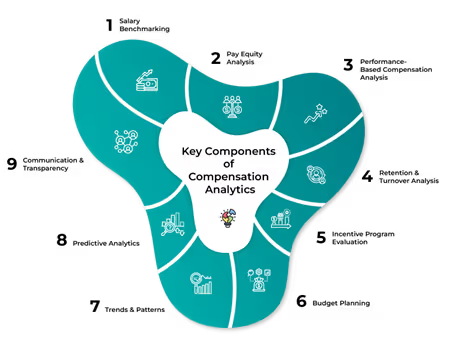
Components of Compensation Analytics
Key components of compensation analytics include:
Salary Benchmarking: Comparing the organization's compensation offerings with industry standards and competitors to ensure that they remain competitive and attractive to potential and current employees.
Pay Equity Analysis: Examining compensation data to identify potential pay disparities based on gender, ethnicity, or other protected characteristics. This analysis aims to ensure fairness and compliance with equal pay laws.
Performance-Based Compensation Analysis: Assessing the relationship between performance metrics and compensation to determine whether the organization's pay-for-performance system is effectively rewarding high-performing employees. Additionally, incorporating the concept of a sales performance incentive fund can provide insights into the correlation between sales achievements and the effectiveness of such incentive structures.
Retention and Turnover Analysis: Analyzing compensation data in relation to employee retention and turnover rates to understand the impact of compensation on employee loyalty and engagement.
Incentive Program Evaluation: Evaluating the effectiveness of incentive and bonus programs in driving desired employee behaviors and outcomes is crucial for optimizing organizational performance. Incorporating robust incentive compensation management practices ensures that these programs are designed to not only motivate employees but also align their efforts with strategic objectives.
Budget Planning: Using compensation analytics to allocate resources effectively for compensation-related expenses and adjustments.
Trends and Patterns: Identifying trends and patterns in compensation data over time, which can inform future compensation strategy and planning.
Predictive Analytics: Utilizing historical compensation data to make predictions about future compensation trends and requirements.
Communication and Transparency: Sharing compensation insights with employees to improve transparency and trust within the organization.
To conduct compensation analytics, organizations often rely on HR information systems, data analytics tools, and software platforms that can aggregate and analyze large amounts of compensation-related data.
This data-driven approach helps organizations align their compensation practices with business goals, attract and retain top talent, and maintain a fair and equitable work environment.
The Evolution of Compensation Strategies:
Gone are the days when one-size-fits-all compensation packages were the norm. In the modern workplace, employees have diverse expectations and needs when it comes to compensation. Implementing MBO compensation can address this diversity by allowing employees to align their personal goals with the organization's objectives, creating a more personalized and motivating rewards system. Moreover, incorporating SPIFF sales programs can offer an extra layer of short-term motivation for specific sales targets or products.
Some might value flexible working hours, while others might prioritize performance-based bonuses or stock options. This complexity has prompted organizations to shift towards more personalized and agile compensation strategies.
This is where compensation analytics comes into play.
By harnessing the power of data and advanced analytics techniques, organizations can gain valuable insights into employee preferences, market trends, and competitive benchmarks. This information empowers them to tailor compensation packages that resonate with their workforce and align with their business objectives.
The Benefits of Compensation Analytics:
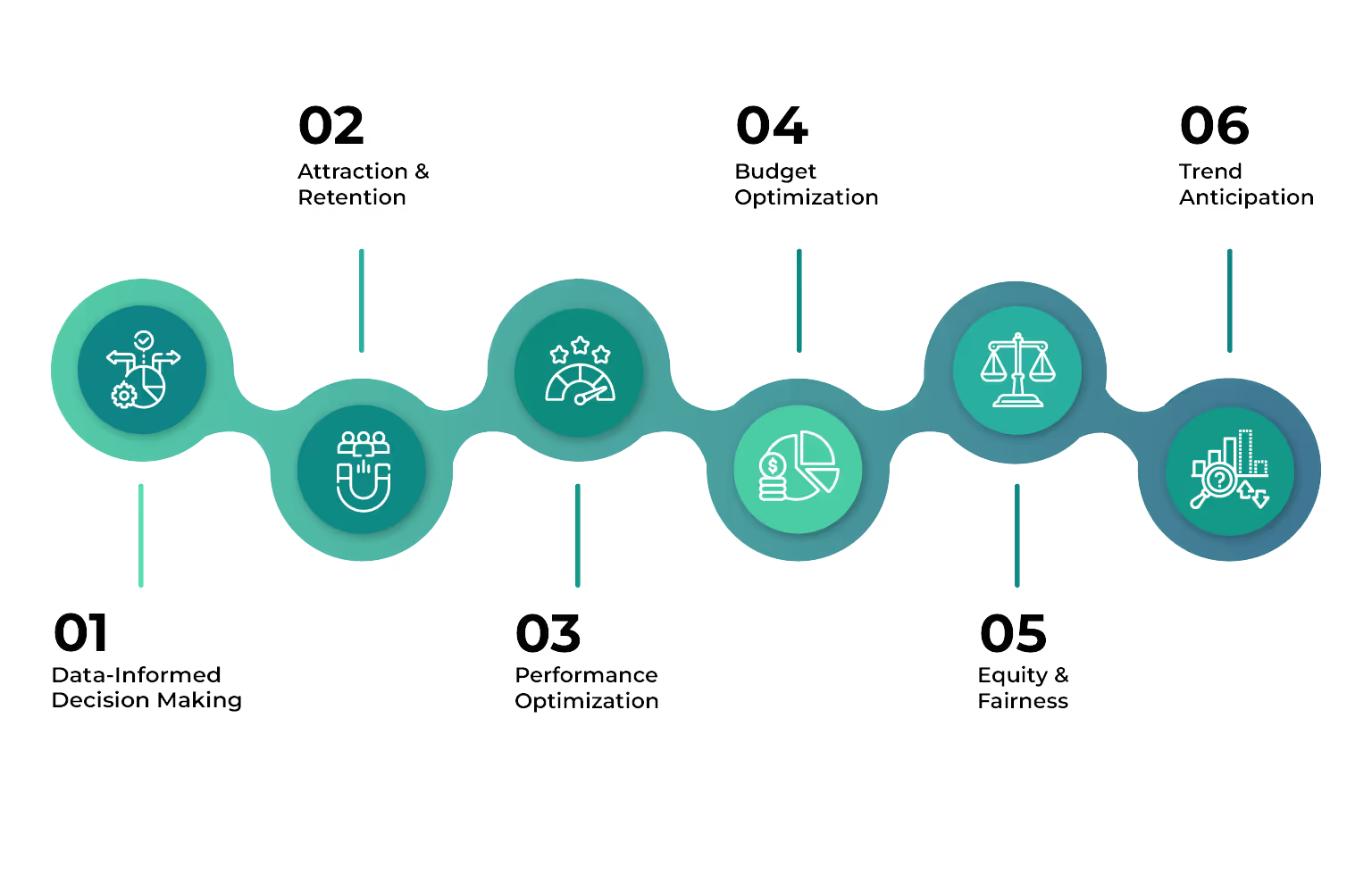
Benefits of Compensation Analytics
Data-Informed Decision Making:
Compensation analytics enables HR and compensation teams to make informed decisions based on data rather than intuition. This leads to more effective and fair compensation structures that are grounded in objective insights.
Attraction and Retention:
A well-designed compensation strategy can attract top talent and reduce employee turnover. By analyzing industry trends and competitor compensation offerings, organizations can ensure their packages remain competitive and attractive.
Performance Optimization:
Compensation analytics allows organizations to link performance metrics to rewards effectively. Identifying high-performing employees and appropriately rewarding them can boost motivation and overall productivity.
Budget Optimization:
Data-driven insights help organizations allocate their compensation budgets more effectively. By identifying areas where compensation might be misaligned or underutilized, organizations can optimize their spending. Understanding the benefits of MBOin budget planning ensures that resources are allocated to initiatives that align with overarching business objectives.
Equity and Fairness:
Compensation analytics can highlight potential disparities in compensation, aiding in addressing pay equity issues. This promotes a fair and inclusive workplace, which in turn boosts employee morale and engagement.
Trend Anticipation:
Analyzing compensation trends over time helps organizations anticipate shifts in the job market. This proactive approach ensures that they adapt their compensation
strategies to remain competitive in the face of change.
Challenges in Compensation Analytics:
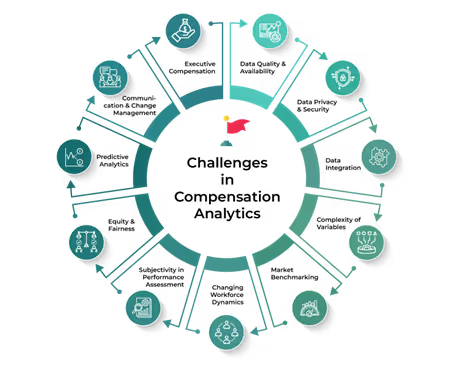
Challenges in Compensation Analytics
There are several challenges associated with compensation analytics that organizations need to address:
Data Quality and Availability: Compensation analytics relies heavily on accurate and comprehensive data. Organizations might face challenges in ensuring that the data collected is accurate, up-to-date, and consistent across various sources. Incomplete or inconsistent data can lead to unreliable insights.
Data Privacy and Security: Compensation data often contains sensitive personal information about employees. Ensuring compliance with data privacy regulations such as GDPR or CCPA is crucial. Striking a balance between extracting meaningful insights from the data and maintaining employee privacy is a challenge.
Data Integration: Compensation data is often scattered across various systems such as HRIS (Human Resources Information System), payroll, performance management, and more. Integrating these disparate data sources to create a unified view can be complex and time-consuming.
Complexity of Variables: Compensation decisions are influenced by a wide range of variables including job roles, experience, performance, market trends, and more. Managing and analyzing these complex variables to identify patterns and correlations requires advanced analytical techniques.
Market Benchmarking: To determine competitive compensation levels, organizations need to benchmark their compensation against industry standards and market trends. Identifying accurate and relevant benchmarks can be challenging, especially in rapidly changing industries.
Changing Workforce Dynamics: The modern workforce is evolving with trends like remote work, gig economy, and flexible schedules. These changes can complicate compensation analytics, as traditional models might not accurately reflect the new workforce realities.
Subjectivity in Performance Assessment: Compensation decisions are often tied to performance evaluations. However, performance assessment can be subjective and biased, leading to inequitable compensation decisions. Developing objective performance metrics is a challenge.
Equity and Fairness: Ensuring pay equity and fairness across various demographic groups (gender, race, etc.) is a critical concern. Analyzing compensation data to identify and rectify any potential disparities requires careful attention and expertise.
Predictive Analytics: Organizations are increasingly looking to predictive analytics to forecast future compensation trends and make proactive decisions. However, predicting compensation changes accurately requires sophisticated modeling and a deep understanding of the factors influencing compensation.
Communication and Change Management: Analyzing compensation data can reveal insights that may necessitate changes in compensation policies. Effectively communicating these changes to employees and managing potential resistance can be challenging.
Executive Compensation: Compensation analytics isn't limited to employees; it also involves analyzing executive compensation packages, which includes understanding the implications of OTE salary meaning. Balancing executive compensation with company performance and stakeholder expectations is complex.
Addressing these challenges requires a combination of data expertise, domain knowledge, technology infrastructure, and a commitment to ethical and equitable compensation practices.
It's important for organizations to approach compensation analytics with a clear strategy, a commitment to data integrity, and a willingness to adapt to the evolving nature of work and workforce dynamics.
Implementing Compensation Analytics:
Implementing a successful compensation analytics program requires careful planning and execution:
Data Collection:
Start by gathering relevant data, including employee demographics, job roles, compensation details, performance metrics, market benchmarks, and if applicable, historical sales history samples. Ensure the data is accurate and up-to-date.
Technology and Tools:
Invest in analytics tools that can handle the complexity of compensation data. Advanced software can help with data visualization, trend analysis, and predictive modeling.
Expertise:
Employ or partner with experts in data analysis, statistics, and compensation. Their insights will be invaluable in interpreting data and drawing actionable conclusions.
Data Privacy and Ethics:
Ensure that you adhere to data privacy regulations and ethical guidelines when handling sensitive employee information.
Iterative Approach:
Compensation analytics is an ongoing process. Regularly review and update your strategies based on new data and changing business dynamics.
The Future of Rewards Management:
As the workforce landscape continues to evolve, compensation analytics will play an increasingly pivotal role in organizations' success.
By unlocking the power of compensation analytics, organizations can tailor rewards packages, including OTE compensation, to their employees' unique needs, foster a culture of performance, and remain agile in the face of market shifts.
In a world where talent is a precious resource, those who embrace compensation analytics will be best positioned to attract, retain, and motivate top talent, ultimately driving their organizations towards a brighter and more competitive future.
Latest Blogs
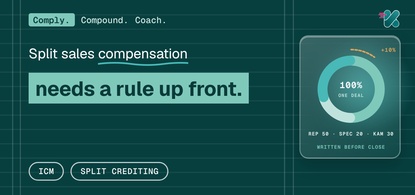
Split sales compensation needs a crediting rule up front.
October 8, 2026
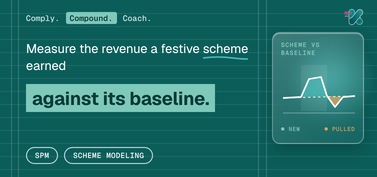
Measure incentive impact on revenue one scheme at a time.
October 6, 2026
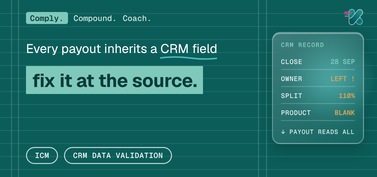
CRM to commission automation starts with getting the data right.
October 6, 2026
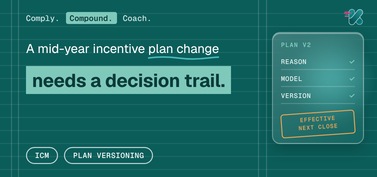
A mid-year incentive plan change needs a written decision trail.




%20(1).avif)
%20(1)%20(1).avif)